Host the most Impressive Casual Dinner Parties in Atlanta!
Host the most Impressive Casual Dinner Parties in Atlanta!

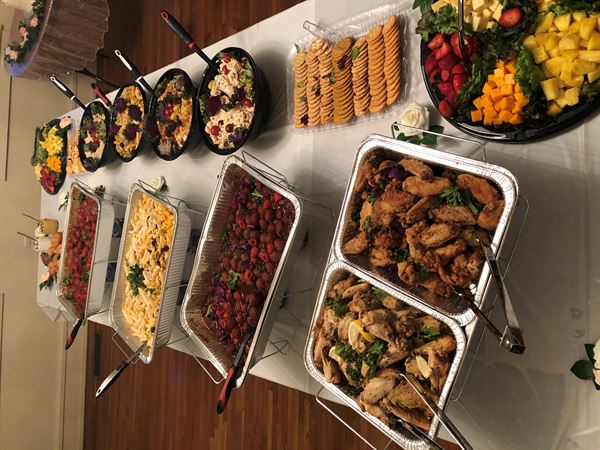
There are so many desires inside the heart that remain unfulfilled because of the non-availability of time. Hosting a casual dinner party could be one. You might be yearning to call your friends and dear ones and enjoy over Pizzas, Spaghettis, and Cocktails amidst the backdrop of lilting music, or watching with your friends a sci-fi thriller like Inception and make your weekends memorable.
You may also want to host a casual dinner party for other reasons. You may want to celebrate a promotion (yours or your friend’s). You may like to call your business partners or introduce your start-up by hosting a memorable party. You may be welcoming the new baby, and there are innumerable reasons for hosting a casual dinner party. You must have already identified the one that you would like to host.
You may want to do all these and enjoy yourself thoroughly, but you do not have the time to organize it the way you want. In such a case, you might collaborate with the best casual dinner party catering companies in Atlanta. They are the most professional ones in terms of experience and hospitality. The best thing about them is that they create heavenly dishes onsite. That means they come and cook your party dinner from your kitchen. Or, if you want to enjoy your party outdoors, that’s a possibility too.
The catering companies in Atlanta are not only experienced but are also aware of the sensitivity of the pandemic. So, the chefs and the staff have gotten themselves vaccinated to offer you some pure culinary delight. You can savor their creation without having any doubt. Owing to this, their impeccable services are in high demand now! The caterers follow the Covid-19 guidelines and see that they do not appear nonchalant during any phase of their association with you.
The onsite caterers bring their Kitchen-paraphernalia to yours and cook right in front of you. You will get to learn why catering is art for them. In case you are a gourmand and already know many things about the food, you can pitch in and add a zing of lemon or any other spice to enhance the taste of the food being prepared. While the food is being made, you can play Shawn Mendes and keep tapping your feet, or swinging in the dim-lit ambiance, while they prepare for you heavenly food.
The casual dinner parties undertaken by professional caterers in Atlanta see to it that the event becomes magnificent. They offer almost everything right from hor’s d’oeuvres to the customized cocktail menu that suits your requirement and budget; they are the ones you must team-up with. The caterers get into your events seasonal fruits and make the cocktails taste fresh, chilled, and delightful. The ordinary veggies and fruits available in the local markets become extraordinary in their hands. They create for you pomegranate-grapefruit Palomas and cucumber-yuzu-infused mules!
The caterers commit themselves to the event and take care of every guest to see them happy and satisfied. What else could you ask for?
You can throw a Pizza party depending on the casual dinner party catering companies in Atlanta. Pizzas are no longer informal food. They can be created in such a way that leaves you awe-inspiring. The magic of the pizzas they bake comes from the freshest ingredients.
Some famous Pizzas varieties that they prepare are the goat cheese pizza heavily sprinkled with caramelized onions, sausage; bacon, lettuce, and tomatoes pizza with a mayo dollop tenderloin and blue cheese pizza; and Margherita pizza with thick fresh tomatoes, mozzarella, and pesto.
You can finish off your meal with the tastiest dessert- rich ice cream served in parfait glasses with Chocolate sauce and homemade crispy pizzelle cookies and whipped cream! That must have blown away your senses.
These are the bonuses of working with the caterers of Atlanta. You will get something called ‘soul-satisfaction.’
Once you subscribe to the caterers of Atlanta, you need not worry about the table settings. It is part of their professional endeavor. You can give some best memories to your friends and family members by subscribing to the catering services. If hygiene, taste, love, and excitement are all you are looking for, realize Atlanta is a haven for onsite catering services Atlanta . Rejoice over your dinner parties by inevitably including them!
Also we bring in the food and service equipment- plates, glasses, silverware, napkins and at the end, we clean it all up, no need for the host to wash a dish or dry a wine glass