There was a time when fashion moved slowly enough for us to notice it changing. We could trace silhouettes from season to season, remember where a color trend began, and argue gently about whether hemlines were truly rising or only pretending to. Today, fashion feels different. Faster, louder, more visible — yet strangely harder to hold onto.
I often find myself scrolling through looks that disappear from memory before I finish my coffee.
This isn’t necessarily a complaint. It’s more of an observation. Fashion, like culture, evolves with the way we live. And we are living faster, consuming more, questioning less. The result is a fashion culture that feels both exciting and slightly ungrounded.
At Fashion Newz Room, we’ve spent years watching these shifts, not just through runways or campaigns, but through real people — readers, stylists, store owners, students, and everyday dressers who don’t think of themselves as part of any “trend,” yet quietly shape what fashion becomes.
And what it is becoming deserves a closer, calmer look.
When Trends Stopped Waiting for Us
Trends used to arrive politely. Now they interrupt.
Before, a trend would build momentum. It would appear in collections, then magazines, then slowly find its way into wardrobes. There was anticipation. Now, trends often appear fully formed on a screen, demand immediate attention, and vanish before they’ve even been understood.
This speed has changed our relationship with clothing.
We no longer sit with a style long enough to develop a personal connection to it. We borrow it, wear it once, photograph it, and move on. The outfit becomes content before it becomes memory.
I don’t think this makes people shallow. I think it makes fashion more fragile.
The irony is that we have more access to style than ever before, yet less time to truly experience it.
At FashionNewzRoom.com, we often receive messages from readers saying they feel overwhelmed rather than inspired. Too many choices. Too many voices. Too many instructions disguised as freedom.
Fashion culture promised individuality. Somewhere along the way, it replaced it with performance.
The Quiet Loss of Personal Style
Personal style used to be something you grew into. It evolved with age, mistakes, confidence, and small rebellions. It wasn’t perfect, but it was yours.
Today, personal style is often curated before it’s discovered.
People know how they want to look before they know how they want to feel. They dress for the mirror, not for their own comfort or mood. And slowly, style becomes less about expression and more about alignment — with trends, with algorithms, with invisible approval systems.
I’ve met young creators who can style five aesthetics flawlessly but struggle to describe their own.
That tells us something.
Fashion culture has become incredibly skilled at replication. It is less skilled at reflection.
This isn’t nostalgia speaking. It’s concern mixed with admiration. Because while today’s fashion generation is technically brilliant, emotionally, it often looks tired.
The desire to be seen has overtaken the joy of simply wearing something that feels right.
Inclusivity: Progress with Complications
One of the most beautiful changes in fashion culture is visibility. More bodies, more skin tones, more identities, more stories. This matters. It truly does.
But even inclusivity has started to carry expectations.
There is now a “correct” way to be diverse. A “right” way to represent. A safe way to express individuality. And when fashion starts creating rules around freedom, it quietly loses its sincerity.
I’ve watched brands learn the language of inclusivity faster than they learn the responsibility of it.
Fashion culture wants to be kind. Sometimes it forgets to be honest.
Still, I believe this phase is necessary. Cultural change is rarely elegant. It stumbles. It corrects itself. It overreaches and then learns restraint. And in that messy middle, real progress is born.
At Fashion Newz Room, we try not to celebrate visibility as a checklist. We look for sincerity. The kind that doesn’t announce itself loudly, but stays consistent even when attention fades.
Sustainability: A Word We Wear Lightly
Sustainability is now a fashionable word. It appears on tags, captions, and brand stories with comforting ease. Yet our shopping habits rarely slow down.
We want ethical fashion without ethical patience.
We want transparency without inconvenience.
We want responsibility without discomfort.
This contradiction is not hypocrisy. It’s human.
Fashion culture is trying to balance desire with conscience, and the balance is not graceful yet. But I do see something shifting. Not in mass behavior, but in private conversations. People are asking better questions. They are pausing slightly longer. They are feeling a small, unfamiliar guilt before clicking “buy.”
That pause matters.
Fashion does not need perfection. It needs awareness. And awareness begins quietly, without hashtags.
The Influence of Digital Beauty
Filters have changed not only how we look, but how we dress.
Clothes are now chosen for how they translate through screens. Textures matter less than silhouettes. Comfort matters less than clarity. The body becomes a canvas designed for pixels rather than movement.
This has created a subtle disconnection between fashion and physical reality.
I often notice how different an outfit feels in real life compared to how it looked online. The stiffness, the weight, the awkwardness — things no filter shows. Fashion culture increasingly lives in two versions: one that performs digitally, and one that struggles quietly in real wardrobes.
We rarely talk about that gap.
And yet, it shapes expectations, confidence, and even disappointment.
Fashion should belong to the body, not just to the camera.
What Still Gives Me Hope
Despite everything, I remain quietly optimistic.
Because I see people returning to simplicity. Not as a trend, but as relief. I see vintage pieces chosen not for nostalgia, but for honesty. I see young designers refusing to shout. I see wearers choosing comfort without apology.
I see readers writing to FashionNewzRoom.com saying they are tired of chasing looks and want to understand themselves again.
That sentence alone feels like a cultural shift.
Fashion culture is not collapsing. It is recalibrating.
It is learning, slowly and imperfectly, that louder does not always mean better. That constant visibility is not the same as connection. That beauty does not need to be defended so aggressively.
Where Fashion Might Be Going
I don’t think fashion will become slower. But I think people might.
I don’t think trends will disappear. But I think loyalty to them will weaken.
I don’t think style will stop evolving. But I think it will become quieter in its confidence.
The future of fashion culture, to me, looks less like a runway and more like a room. A personal space. A mirror without judgment. A wardrobe that holds memories, not just options.
Fashion will always reflect society. And society is tired of pretending.
Perhaps that is the most fashionable thing of all.
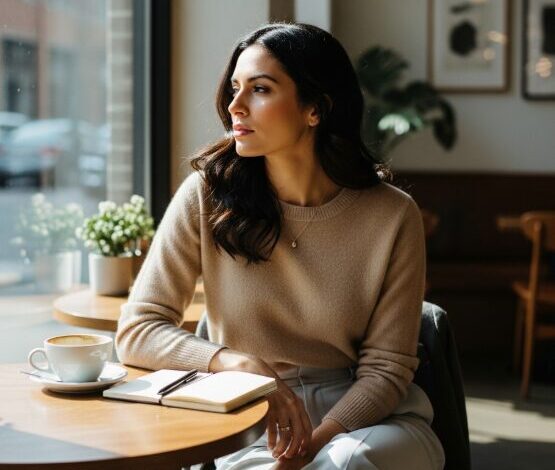
I often close my notebook after writing about fashion and realize I’ve written more about people than about clothes. That feels right.
Because fashion culture is not fabric or stitching or even design.
It is how we want to be seen.
It is how we learn to see ourselves.
And sometimes, it is how we quietly ask for permission to exist as we are.
Fashion Newz Room has never believed in fashion as instruction. We believe in it as conversation. And conversations don’t need endings. They need pauses.
So I’ll leave this thought unfinished, the way fashion itself always is — somewhere between who we were, who we pretend to be, and who we are slowly becoming.