The Cognitive Impact of Texture: How Your Business Card Feels Influences Memory Retention
Custom Business Cards Printing at Ibex Packaging

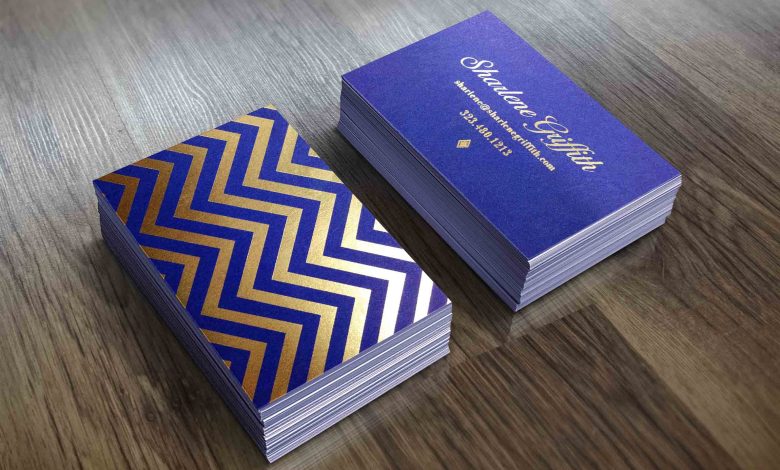
Even in our digital world, tangible impressions leave lasting effects. The feel of a custom business cards printing is often underestimated, yet it plays a crucial role in memory and brand perception. This article dives into how texture shapes cognitive responses and why it matters for your networking strategy.
How Your Fingers Shape Memory
When people touch an object, their brain engages in more than visual recognition. Tactile feedback sends signals to the somatosensory cortex, which connects with memory-related regions of the brain. As a result custom business cards printing, objects that feel interesting or unique are more likely to be remembered.
Business cards are a perfect example. A card with a distinct texture makes the recipient pause and notice it. Rough, embossed, or soft-touch finishes add complexity to the interaction, increasing cognitive engagement. The more attention the brain pays, the better the memory retention.
The emotional reaction to touch also strengthens recall. Pleasant tactile experiences create positive associations, while cheap or slippery textures can have the opposite effect. A thick, textured card can signal reliability and professionalism, while sleek, smooth finishes may feel modern or innovative.
In practice, even subtle differences can matter. A lightly embossed logo or a patterned surface encourages interaction. People may unconsciously spend more time exploring the card, which boosts memory formation. This process shows that tactile appeal isn’t just aesthetic—it is a strategic cognitive tool for communication.
Finally, texture also encourages conversation. When a person comments on or reacts to the feel of a card, it reinforces memory through social interaction. The card becomes more than a piece of paper; it becomes an experience that links your brand to emotion and attention.
The Science Behind Touch and Decision Making
Touch is more than sensation; it shapes how decisions are made. Psychological studies show that tactile feedback influences perceptions of quality, trustworthiness, and value. A textured business card can subtly suggest that a brand is premium or reliable.
Handling a card triggers multi-sensory processing, which increases attention and engagement. Unique textures stand out among standard glossy cards, creating a novel experience that reinforces memory. Soft-touch coatings, embossed letters, and patterned surfaces are examples that stimulate the sense of touch.
Emotions also play a role. Pleasant textures evoke positive feelings, which are linked to stronger memory retention. Conversely, cards that feel flimsy or rough may create negative impressions. Tactile experience can therefore influence both memory and perception, making it a critical part of branding strategy.
Furthermore, haptic feedback can differentiate brands in crowded markets. When multiple cards are exchanged, a card with a distinct texture is more likely to be remembered. Sensory marketing research emphasizes that touch complements sight and sound to create a complete experience. Businesses that overlook texture may miss a powerful tool for cognitive impact.
Investing in tactile elements ensures that a business card does more than convey contact information. It communicates a message through touch, shaping both emotional and cognitive responses.
Choosing Materials That Make a Lasting Impression
Material selection plays a major role in how a business card is perceived and remembered. Thick, textured, or specialty papers provide more sensory engagement than thin, standard options. Linen, cotton, or recycled stocks create unique tactile experiences.
Heavier cardstock often conveys durability and trustworthiness, while thinner stocks may feel disposable. Embossed lettering or foil highlights can increase tactile interest, making recipients more likely to recall the card. Different finishes, like matte or soft-touch, further enhance sensory appeal.
Even subtle texture choices make a difference. Rough patterns, embossed designs, or layered textures give people a reason to engage with the card longer. Each interaction reinforces memory by adding sensory depth to the experience.
Balance is key. A highly textured card must still allow readability. Overly rough surfaces can distract or obscure information. Strategic design ensures that tactile appeal enhances memory without compromising functionality.
Professional printing services offer a wide range of materials that help businesses create cards that leave lasting impressions. By choosing the right material, companies can turn a simple card into a cognitive tool that enhances brand recall and professional perception.
Emotion and Tactile Memory
Humans remember experiences better when emotions are involved. Texture can evoke feelings that enhance memory retention. Soft, smooth, or unique surfaces can trigger positive reactions, while cheap or rough textures may create negative associations.
Emotional response strengthens the link between memory and the card. A card that feels pleasant will be associated with the brand in a favorable way, making recall easier. In networking events, this advantage is particularly valuable. Positive tactile experiences can reinforce trust, professionalism, or creativity depending on the design.
Texture can also communicate personality. Creative businesses may choose bold patterns or embossed designs, while corporate services might prefer matte, understated finishes. These subtle tactile cues influence perception and memory subconsciously.
First impressions are critical. The way a card feels can be as important as how it looks. Investing in textures that evoke positive emotions ensures that recipients remember both the card and the person behind it. Emotional memory is durable, which makes tactile design a long-term branding strategy.
Designing for Multi-Sensory Engagement
Design and texture should work hand in hand to maximize cognitive impact. A visually appealing card may fail if it lacks tactile interest, and vice versa. Integrating both elements strategically strengthens memory retention and brand perception.
Consider layout, finishes, and textures together. Raised logos, soft-touch coatings, or embossed text draw attention to key information. Matte finishes reduce glare and feel pleasant to hold. Combining these tactile elements with clean, readable design creates a balanced sensory experience.
Novelty enhances memory. Unexpected textures or embossed patterns attract attention and encourage interaction. People tend to remember what surprises or delights them. Aligning these elements with brand identity reinforces recognition and conveys professionalism.
Consistency is also critical. The chosen textures should reflect the business’s values. For instance, eco-conscious companies may use recycled, textured stocks, while luxury brands might prefer soft-touch finishes. A cohesive multi-sensory design ensures that every interaction contributes to lasting impressions.
Personalized Touch Through Customization
Customizing textures allows businesses to differentiate themselves and create memorable experiences. Personalized finishes, unique embossing, or soft-touch coatings give recipients something distinct to remember.
- Custom textures help brands stand out in competitive markets.
- Unique finishes provide a multi-sensory experience that enhances memory.
- Personalized design signals attention to detail and professionalism.
- Tailoring material and texture to the audience strengthens emotional engagement.
Custom business cards printing gives flexibility to explore these tactile options. By aligning texture with brand identity, businesses can create cards that leave long-lasting impressions while reinforcing professional values.
Learning from Real-World Examples
Luxury brands, law firms, and creative agencies have used texture strategically for years. Thick, embossed, or soft-touch cards convey quality, trust, or creativity. Research shows that cards with distinct textures are recalled more accurately than generic ones.
Networking events highlight the advantage of tactile cards. When multiple cards are exchanged, the one with a unique feel is more likely to be remembered. Creative designs, layered textures, and innovative finishes contribute to both cognitive engagement and emotional response.
Real-world success stories show that tactile elements are more than decorative—they are cognitive tools. Businesses that integrate texture thoughtfully enhance memory, differentiate their brand, and strengthen professional relationships.
Practical Tips for Creating Memorable Cards
Implementing effective textures requires strategic planning. Consider the following:
- Choose materials that balance tactile appeal with readability.
- Experiment with finishes like soft-touch, embossing, or foil.
- Align texture with brand identity to strengthen messaging.
- Highlight important information with tactile features.
- Test designs with real users to gauge memorability.
Using these strategies ensures that a business card is both functional and memorable. Thoughtful tactile design turns a simple card into a tool that engages the senses, emotions, and memory.
Conclusion
Texture shapes how people remember and perceive your business. Tactile design enhances memory retention, emotional response, and brand recognition. Companies that invest in materials, finishes, and custom designs can create business cards that leave lasting impressions. By understanding the cognitive power of touch, businesses can turn a simple card into a strategic branding tool. Custom business cards printing provides the flexibility to explore these tactile options for maximum impact.