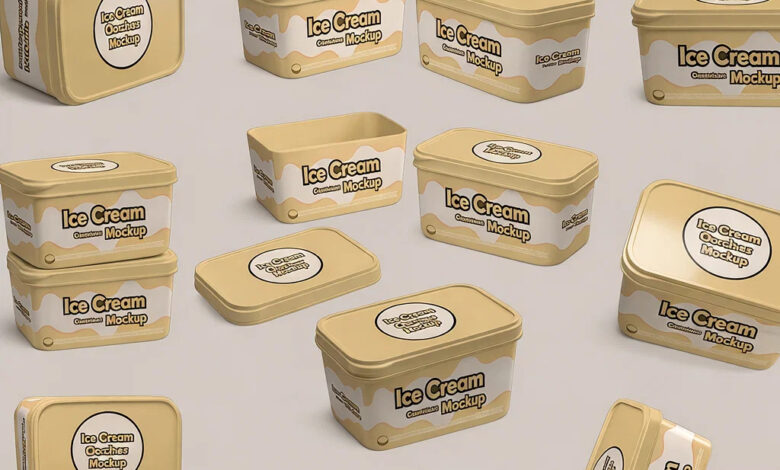
In food service, presentation influences perception before taste ever does. Customers form opinions in seconds, often based on how a product looks and feels in their hands. For frozen desserts, the container becomes part of the experience. Shape, texture, print quality, and structure all contribute to how a brand is remembered and how a product is valued. Well designed packaging supports service speed, protects product integrity, and reinforces brand personality at every customer touchpoint.
In busy cafes, kiosks, and takeaway counters, ice cream cups serve as more than simple holders. They act as the first physical interaction between the brand and the customer. A thoughtfully crafted cup sets expectations, communicates quality, and ensures the dessert arrives in ideal condition. This role makes packaging design a strategic element rather than an afterthought in modern food service operations.
Design as a Visual Extension of the Brand
Packaging design carries brand identity into the customer’s hands. Colors, typography, and graphic elements transform a plain container into a recognizable asset. When customers see a familiar cup design, they associate it with previous positive experiences. This recognition builds trust and supports repeat purchases without requiring additional explanation.
Strong visual consistency across packaging reinforces professionalism. A cup that aligns with the brand’s overall look and feel signals attention to detail. Customers often interpret this care as a reflection of product quality. In competitive environments, such visual alignment helps a brand stand out while maintaining credibility.
Design choices also influence emotional response. Soft color palettes can feel welcoming, while bold tones suggest energy and excitement. Typography communicates tone, whether playful or refined. When these elements work together, the packaging becomes an unspoken brand ambassador.
Supporting Product Integrity and Temperature Control
Frozen desserts demand careful handling. Packaging must support the product’s structure from serving to consumption. Well designed cups consider thickness, coating, and material balance to reduce melting impact during short service windows.
A sturdy container prevents leaks and deformation, especially during takeaway or delivery. When customers can enjoy their dessert without mess or discomfort, satisfaction increases. Practical design ensures the dessert remains visually appealing until the final bite.
Lids and cup rims also matter. Secure fits reduce spills, while smooth edges improve comfort. These details often go unnoticed when executed correctly, yet they play a significant role in shaping the overall experience.
Enhancing Customer Comfort and Convenience
Customer experience extends beyond flavor. How a product feels in the hand influences enjoyment. Cups with proper insulation protect hands from cold while maintaining stability. This balance allows customers to focus on the dessert rather than adjusting their grip.
Portion visibility also affects perception. Clear size definition helps customers feel confident about value. When the cup design aligns with portion expectations, it reduces hesitation and increases satisfaction.
Ease of handling matters in fast paced environments. A well designed cup supports one handed use, making it convenient for customers on the move. This usability reflects thoughtful service design and respect for customer needs.
Operational Efficiency for Food Service Teams
Packaging design directly impacts staff workflow. Cups that stack efficiently save space and improve storage organization. This efficiency reduces clutter and supports faster service during peak hours.
Clear labeling areas help staff identify flavors quickly, minimizing errors. Consistent cup dimensions allow predictable handling, which speeds up service and reduces training time for new staff.
Durable construction reduces waste caused by damage during storage or service. When packaging performs reliably, operations run more smoothly and costs remain controlled.
Creating Shareable Moments Through Presentation
Visual appeal encourages sharing, both in person and online. Customers often photograph desserts before eating them. A visually striking cup enhances these moments and extends brand exposure organically.
Interior design elements can also surprise customers. A subtle message or pattern inside the cup adds delight without overwhelming the presentation. These small touches create emotional connection and encourage positive word of mouth.
Social sharing increases when packaging feels intentional and stylish. Each shared image becomes a quiet endorsement of the brand’s attention to detail and creativity.
Adapting Design for Different Service Environments
Food service settings vary widely, from premium dessert bars to casual takeaway stands. Packaging design should adapt to these contexts while maintaining brand consistency.
In high end settings, refined finishes and minimalist designs elevate perception. In fast service environments, bold graphics and clear branding improve visibility. Flexibility in design application allows a single concept to perform across multiple channels.
Seasonal variations also keep the presentation fresh. Limited design updates for promotions or events create excitement without disrupting brand identity. This adaptability supports engagement and keeps customers interested.
Packaging as a Tool for Brand Growth
As food service brands expand, consistency becomes essential. Packaging plays a key role in maintaining a unified customer experience across locations. Standardized design ensures customers receive the same visual and functional experience regardless of where they purchase.
Ice cream cups contribute to brand continuity by delivering consistent messaging and quality cues. This uniformity builds recognition and supports growth without adding complexity to operations.
When packaging design aligns with brand strategy, it becomes a scalable asset. It supports marketing efforts, reinforces trust, and strengthens customer relationships across markets.
Why Thoughtful Design Influences Purchasing Decisions
Customers often make quick judgments at the point of purchase. Packaging influences these decisions subtly yet powerfully. A clean, well designed cup suggests care and professionalism.
When customers feel confident in the presentation, they feel confident in the product. This assurance increases impulse purchases and encourages trial among new customers.
Design also affects perceived value. A premium looking cup can elevate the dessert experience and justify pricing without verbal explanation.
Conclusion
Packaging design plays a vital role in food service success. It connects brand identity, product protection, customer comfort, and operational efficiency into a single touchpoint. Well designed containers elevate frozen desserts by improving usability, appearance, and consistency. Ice cream cups that balance visual appeal with practical performance help brands create memorable experiences that resonate beyond the point of sale.